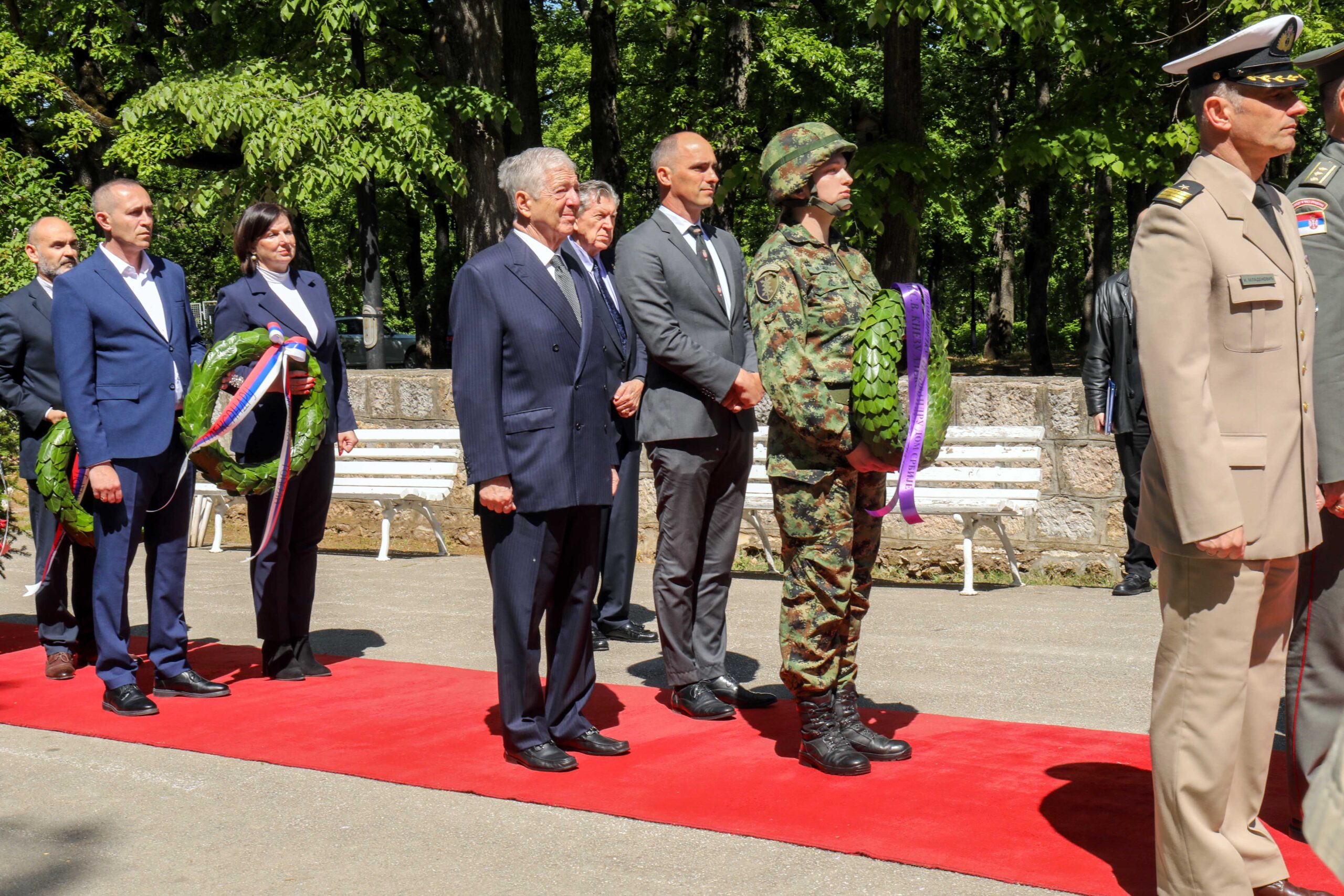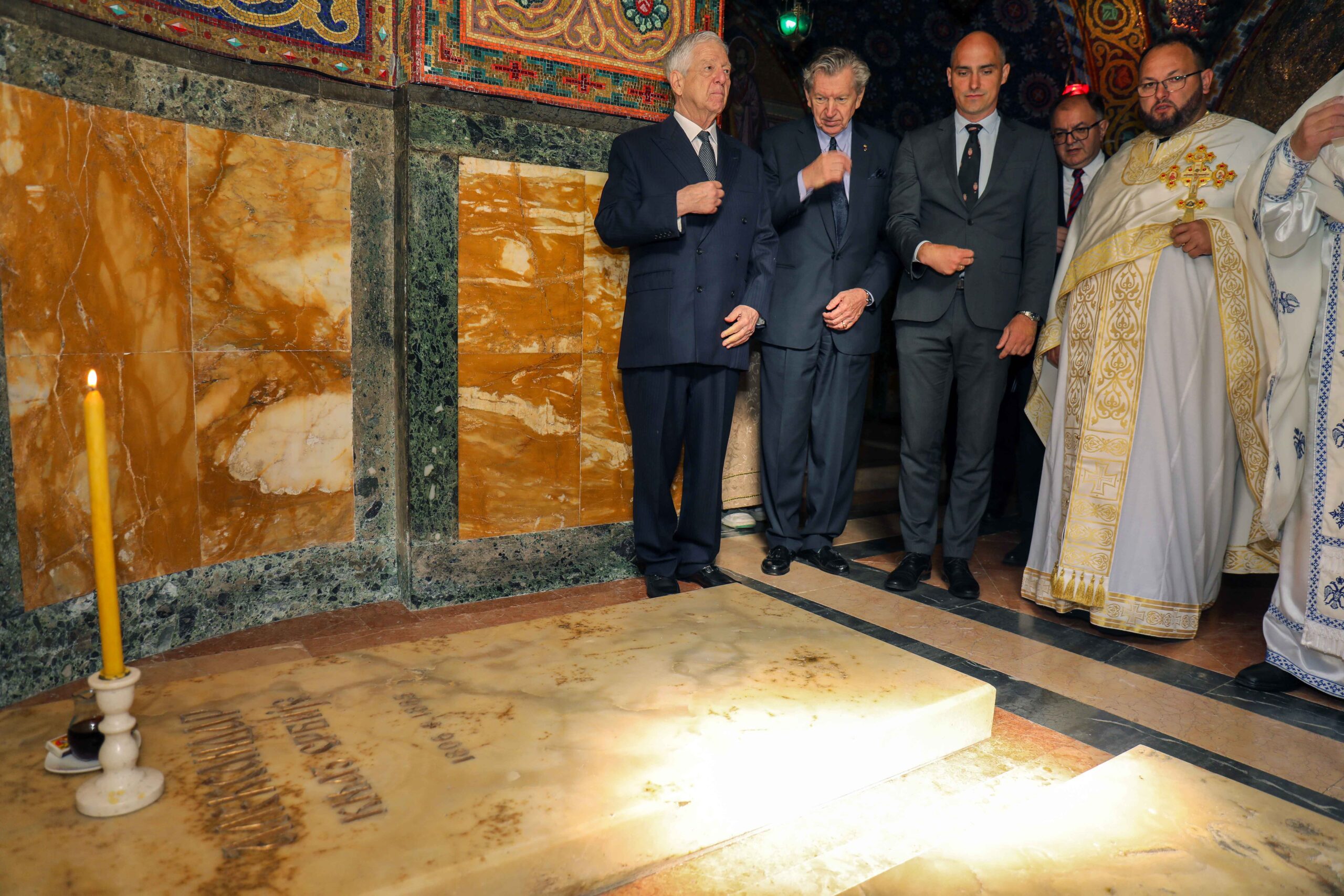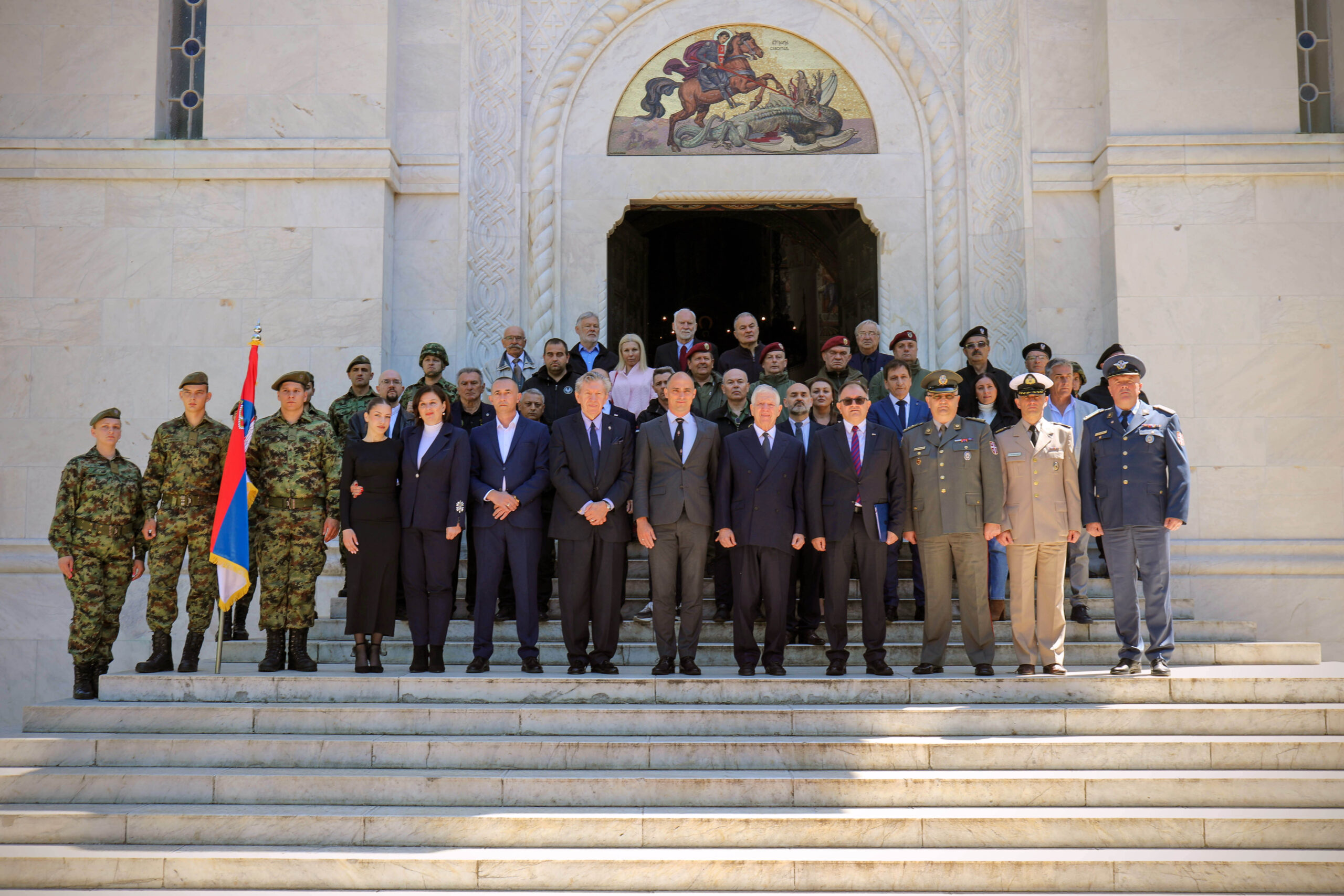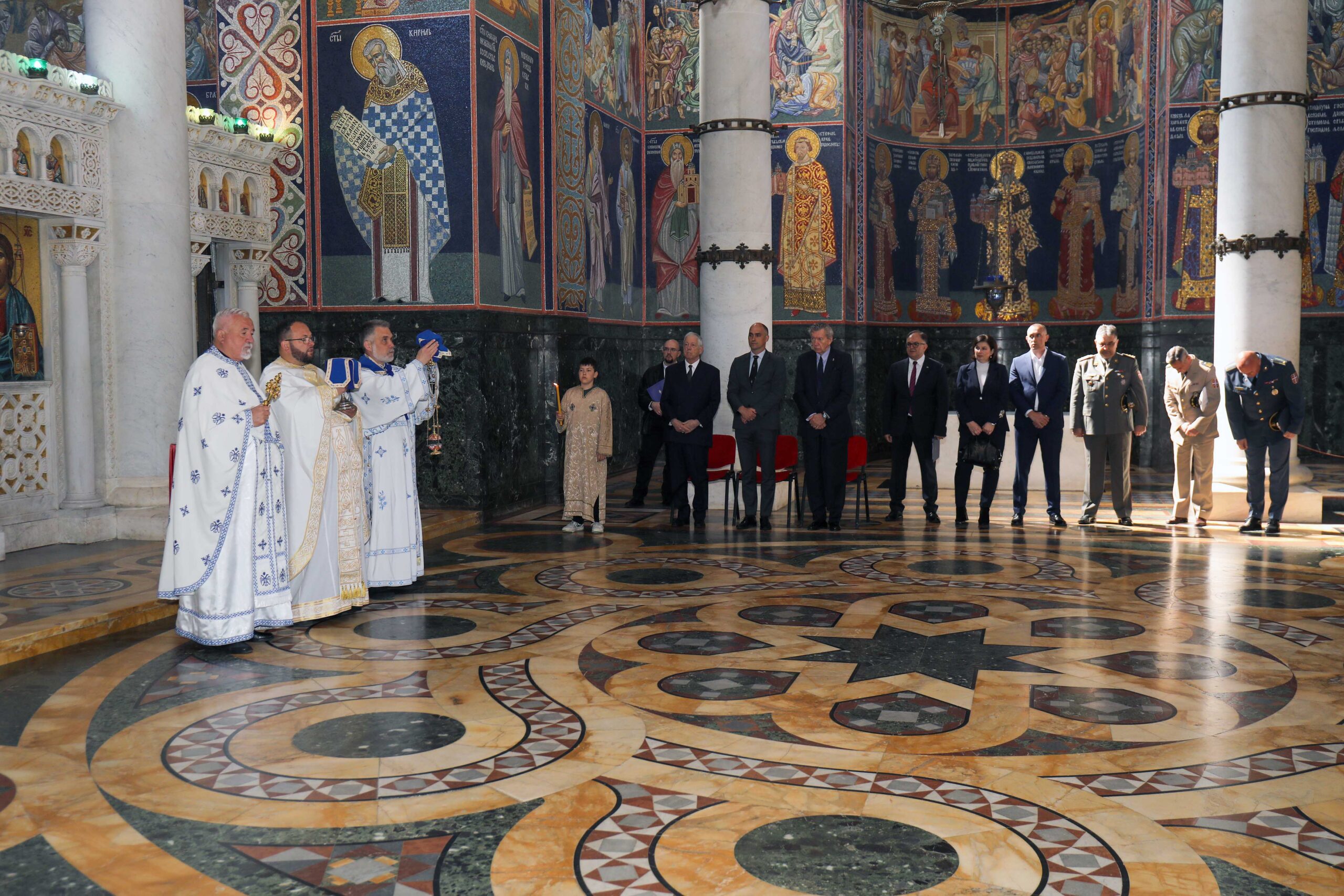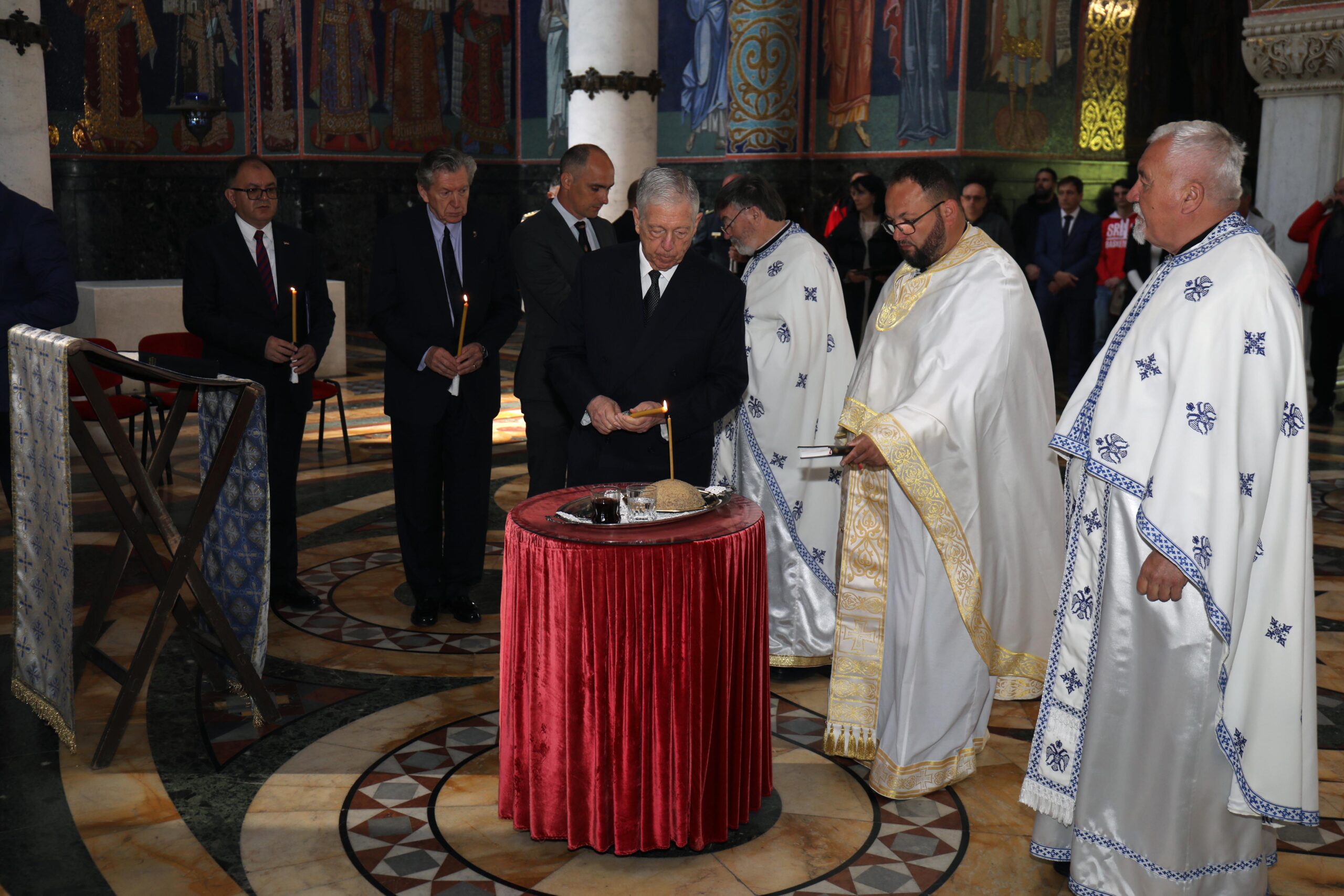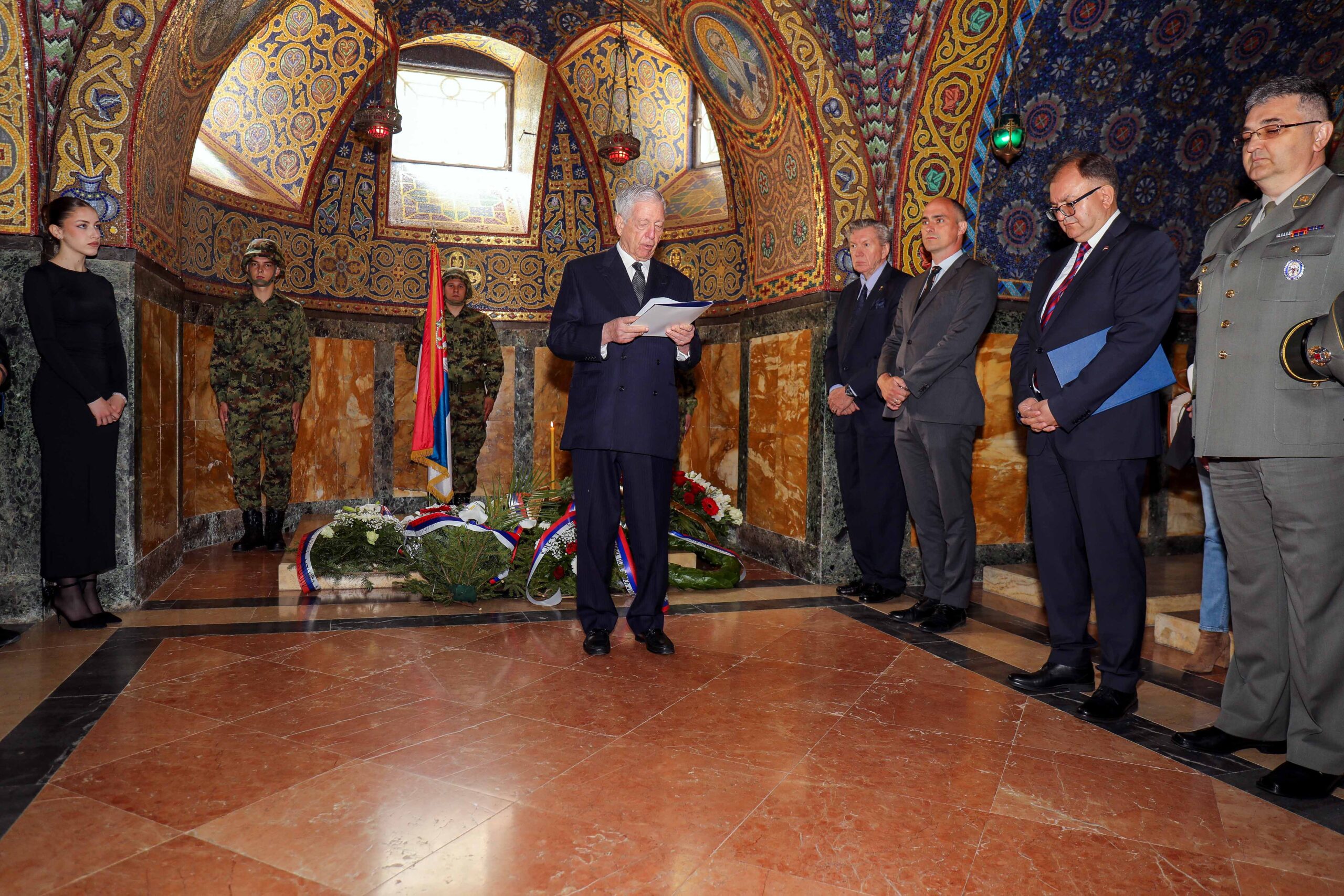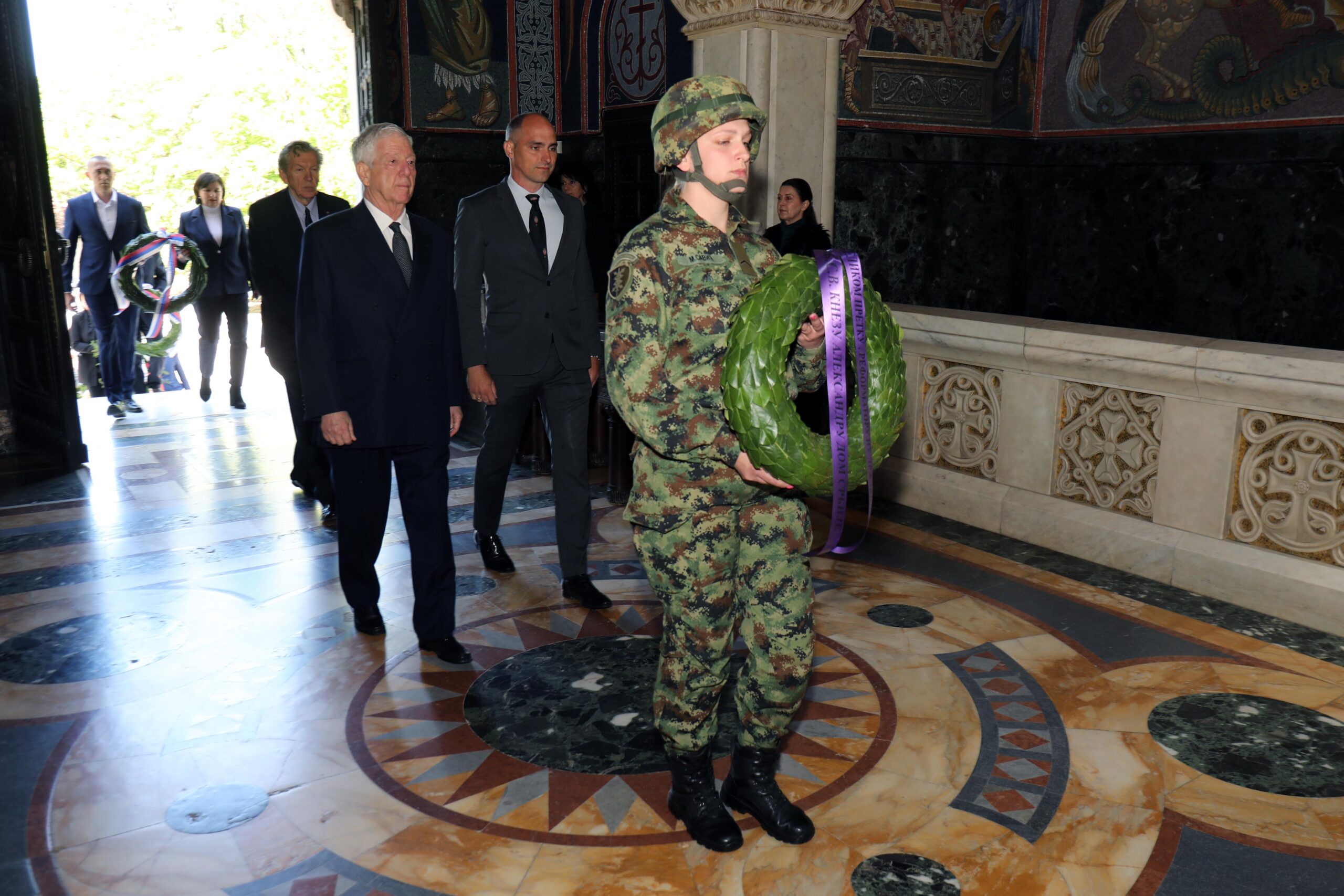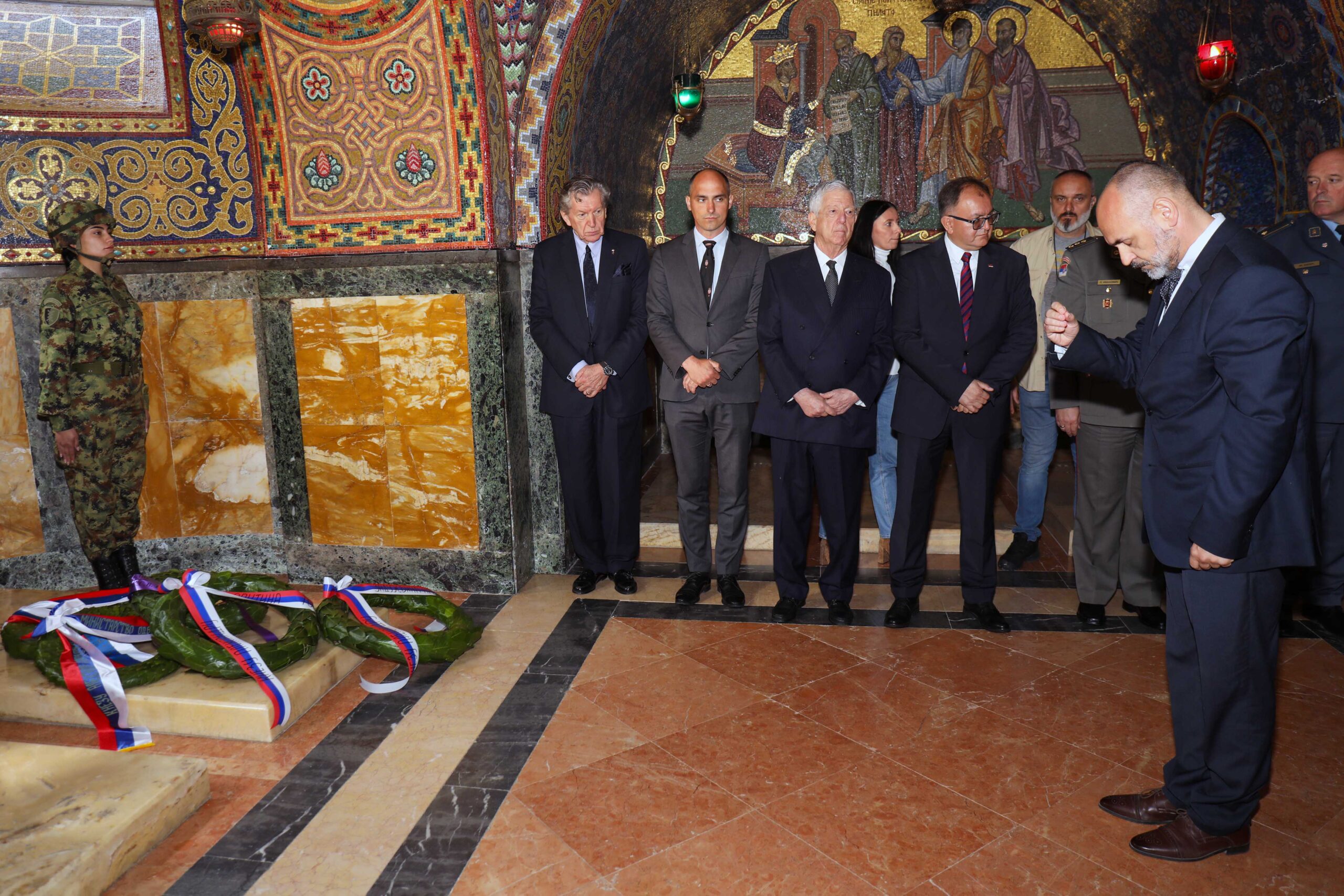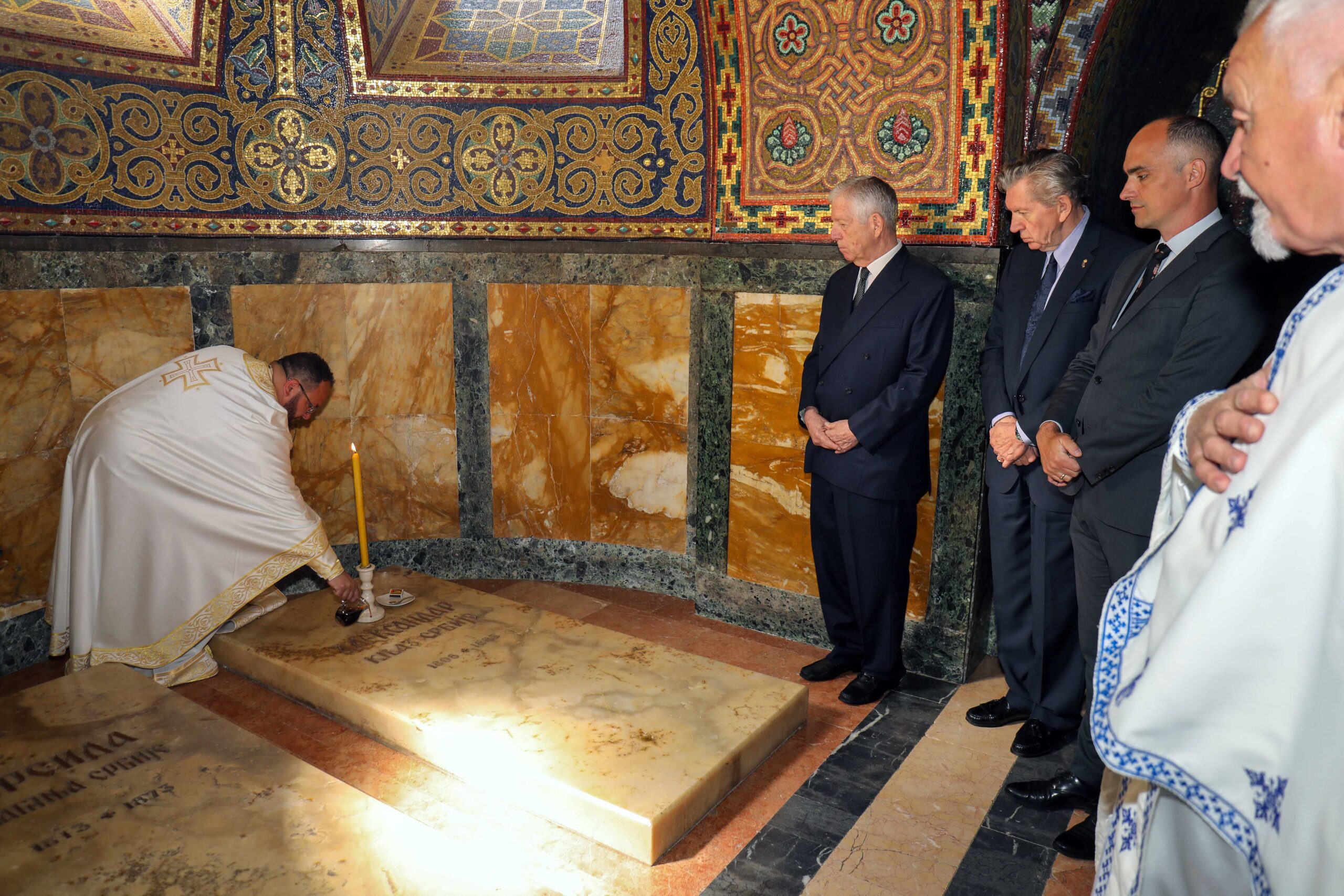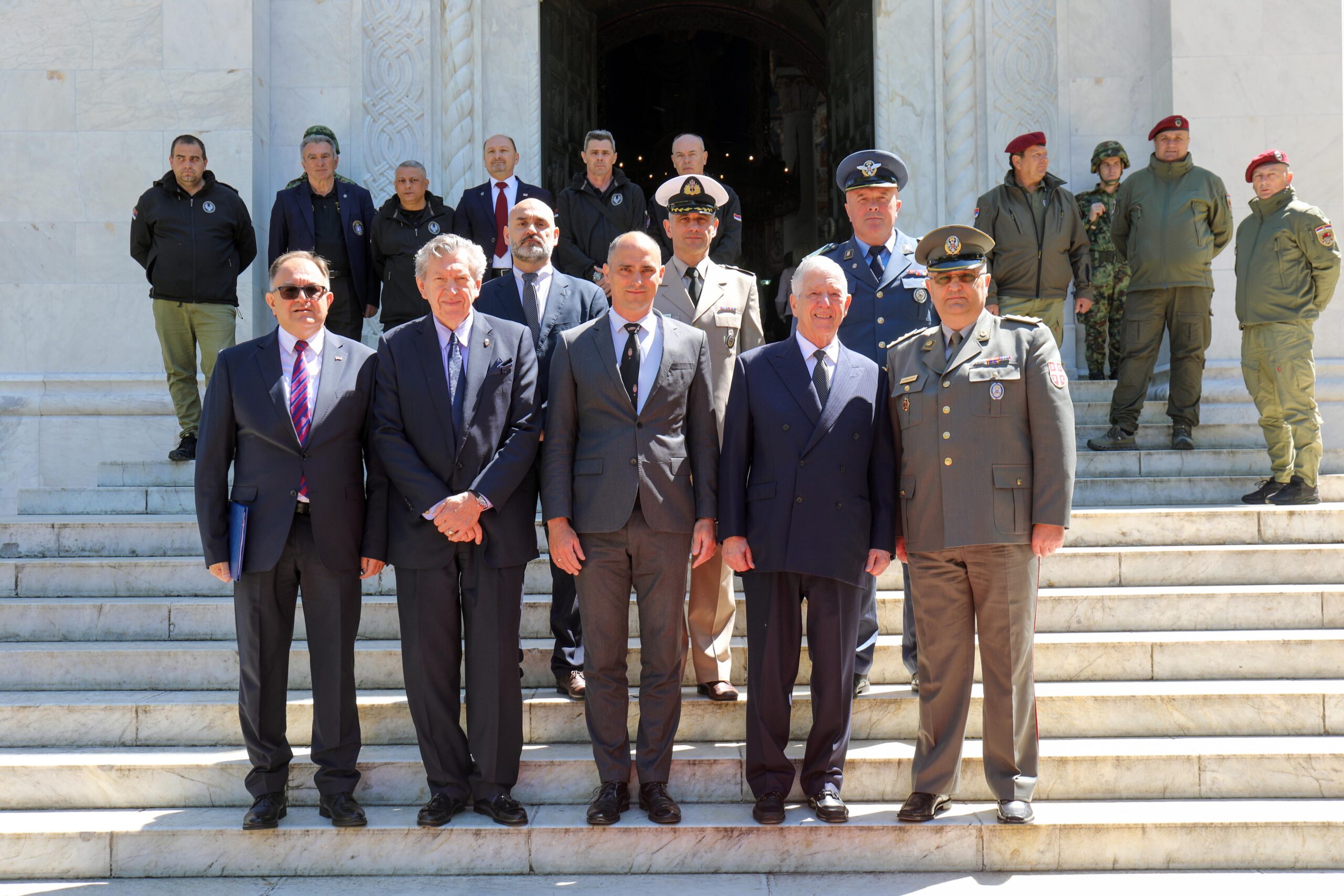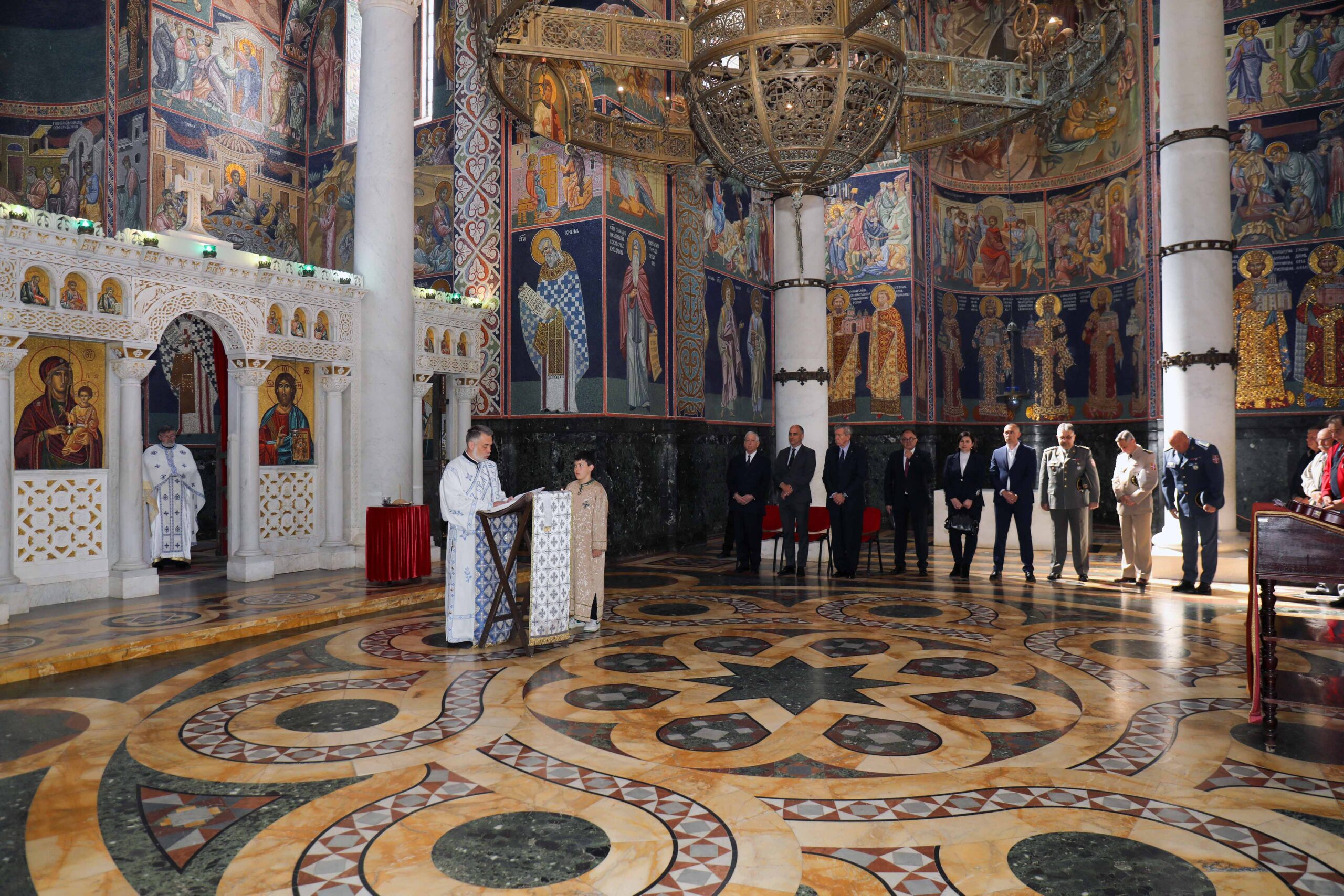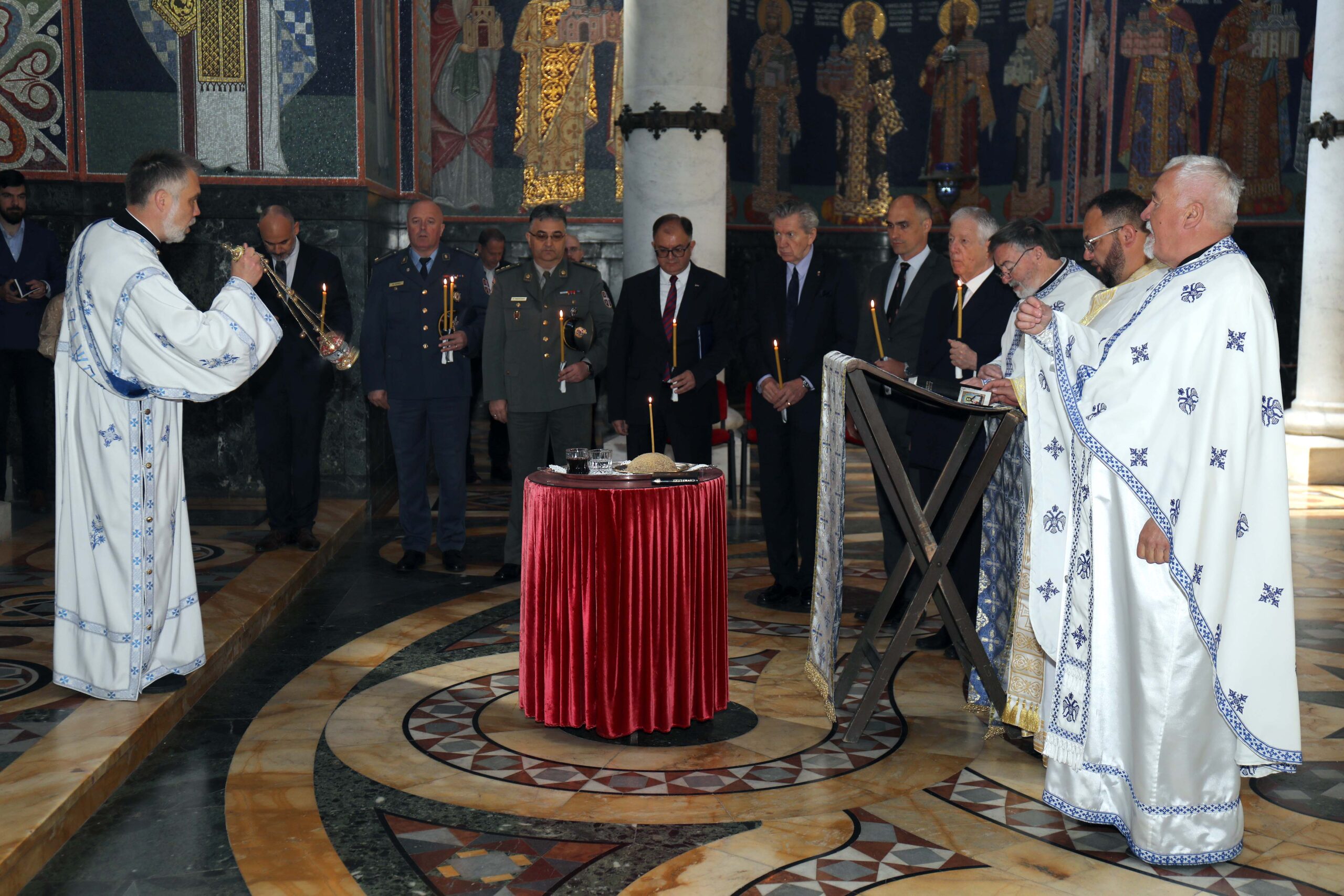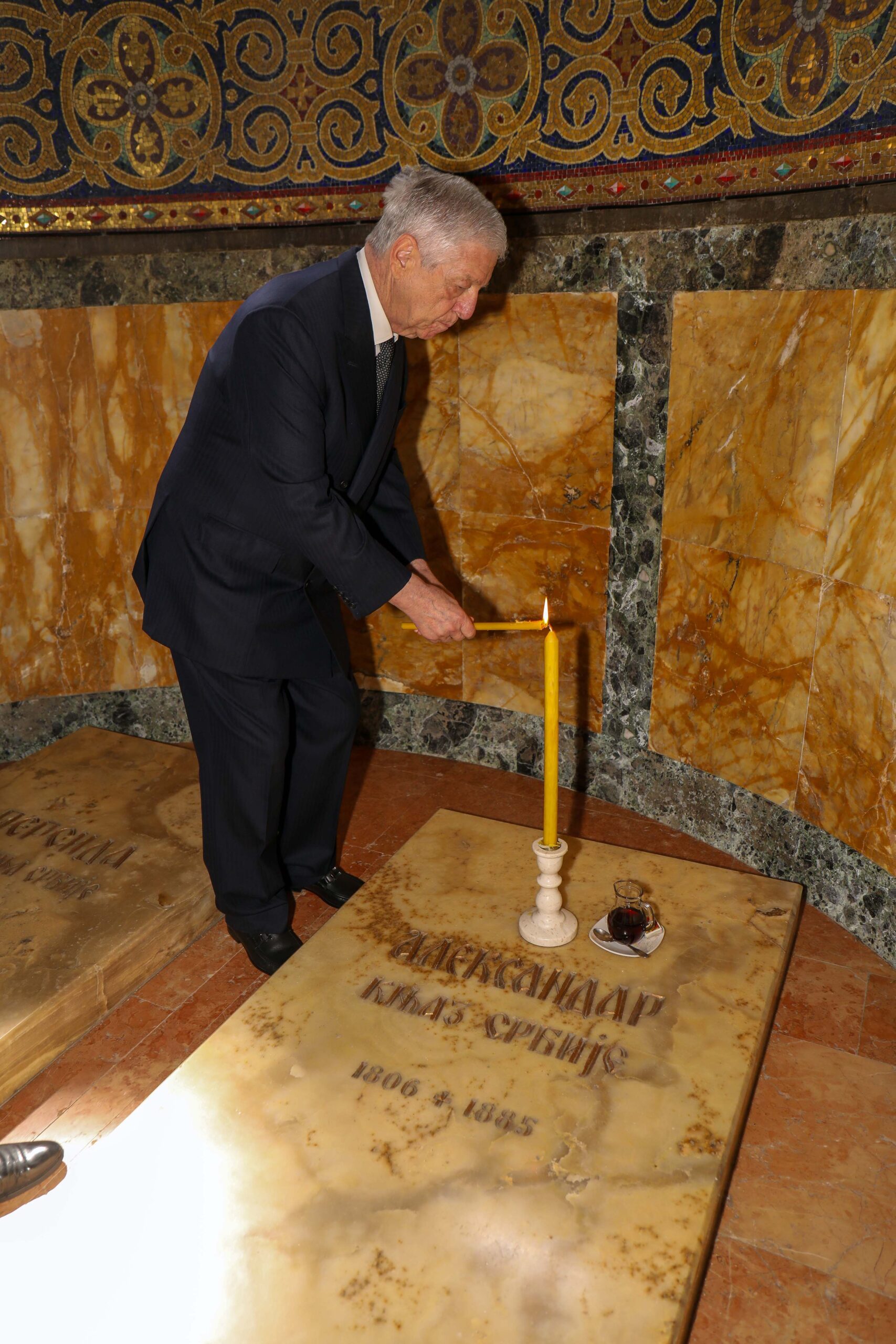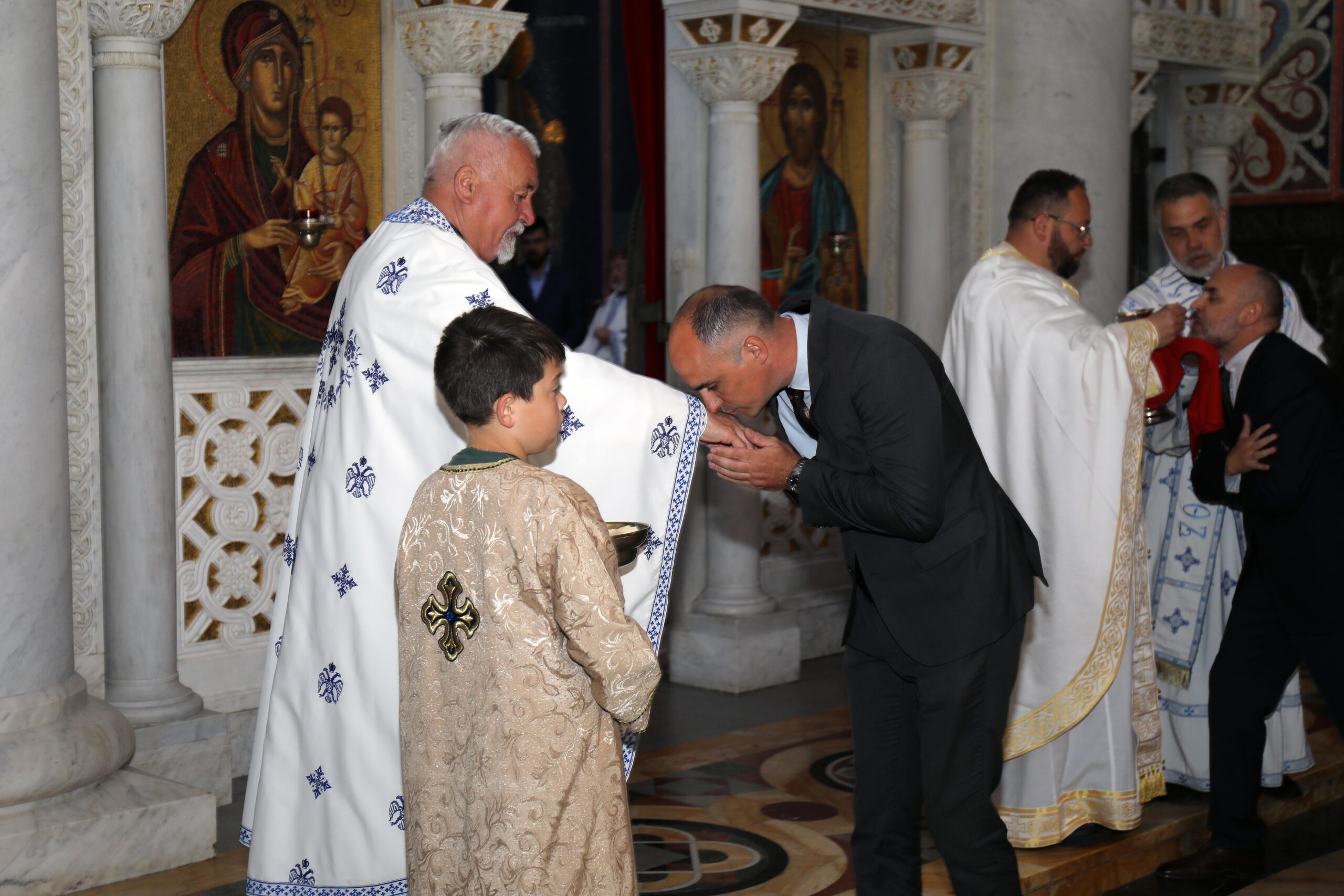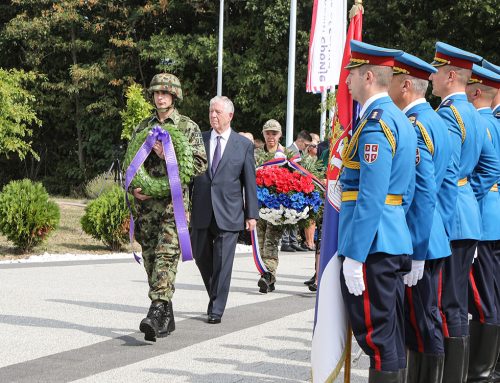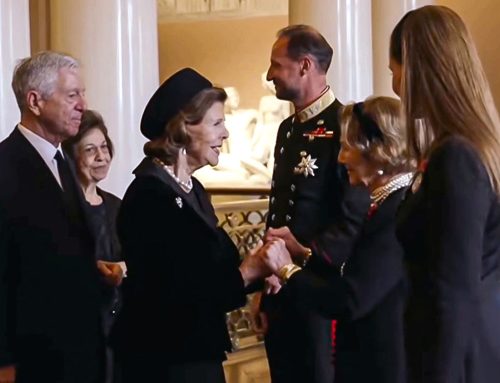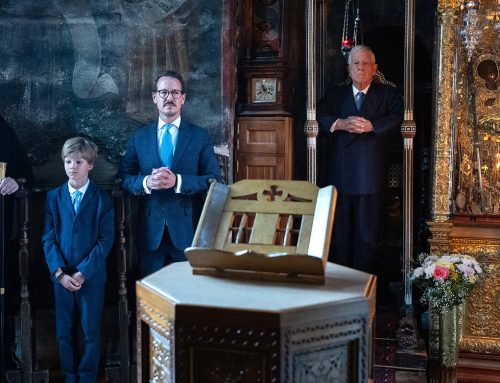
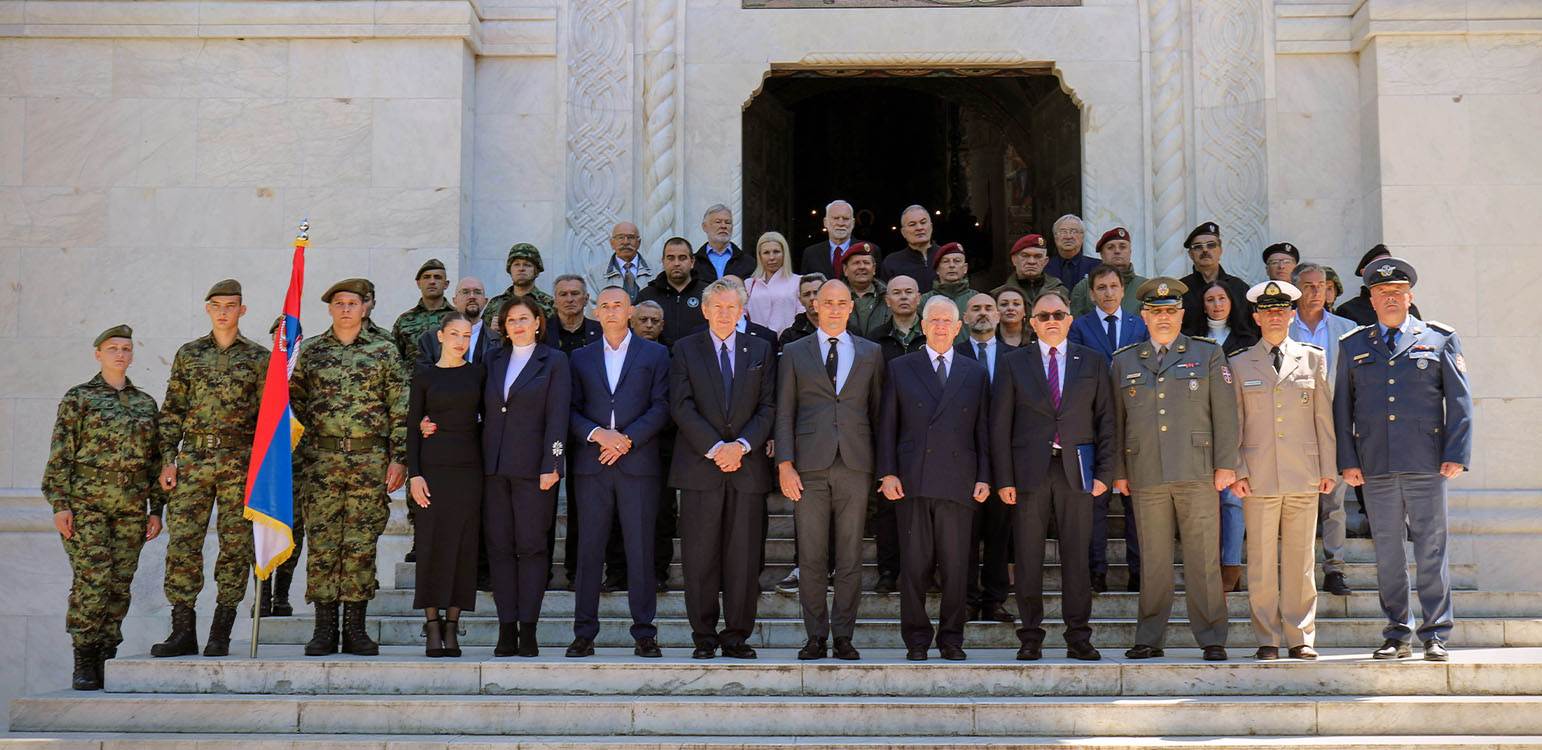
TRH Crown Prince Alexander and Prince Mihailo attended today a memorial service and a wreath-laying ceremony held in Saint George’s Church in Oplenac, honouring the 141st anniversary of the death of HSH Prince Alexander.
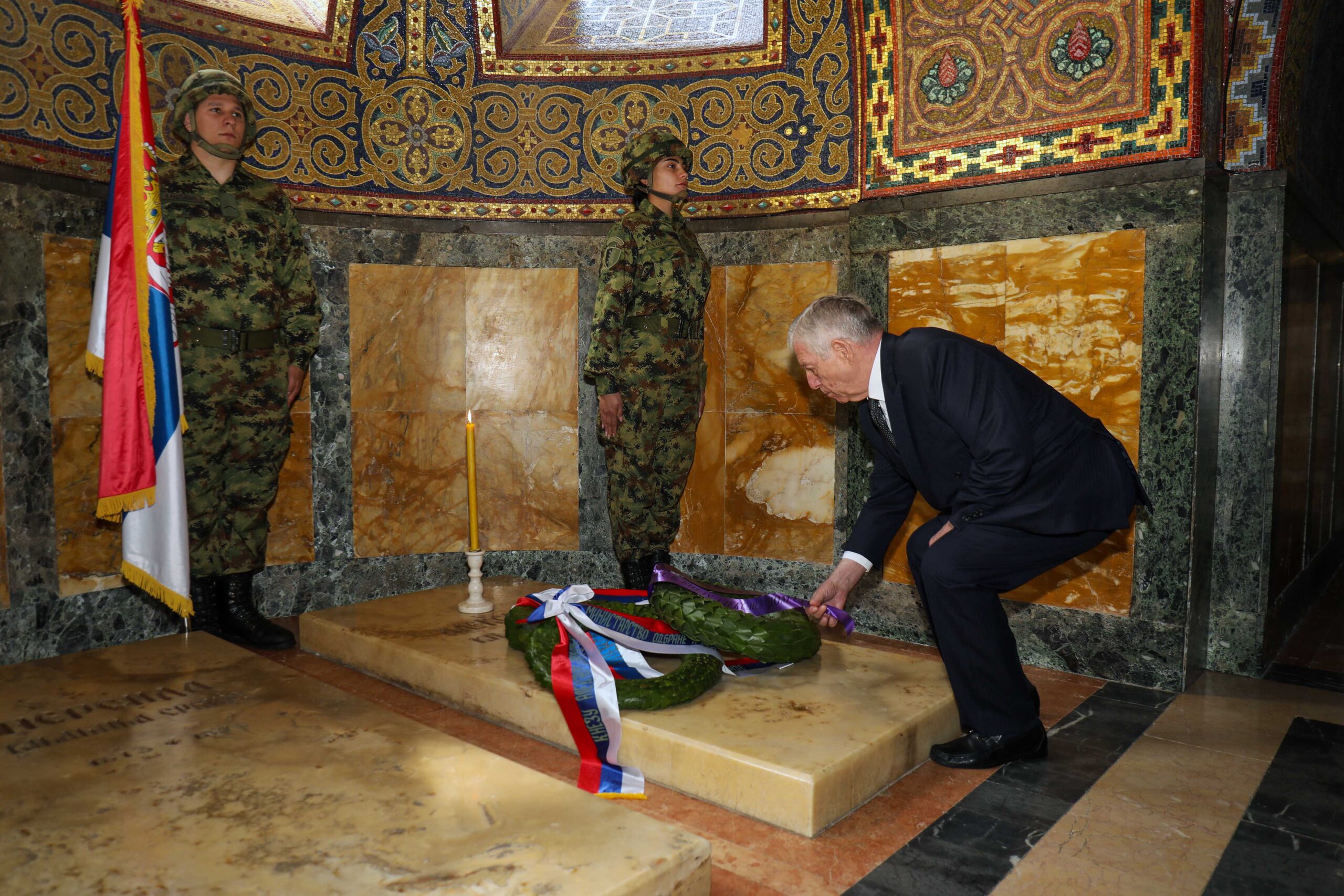
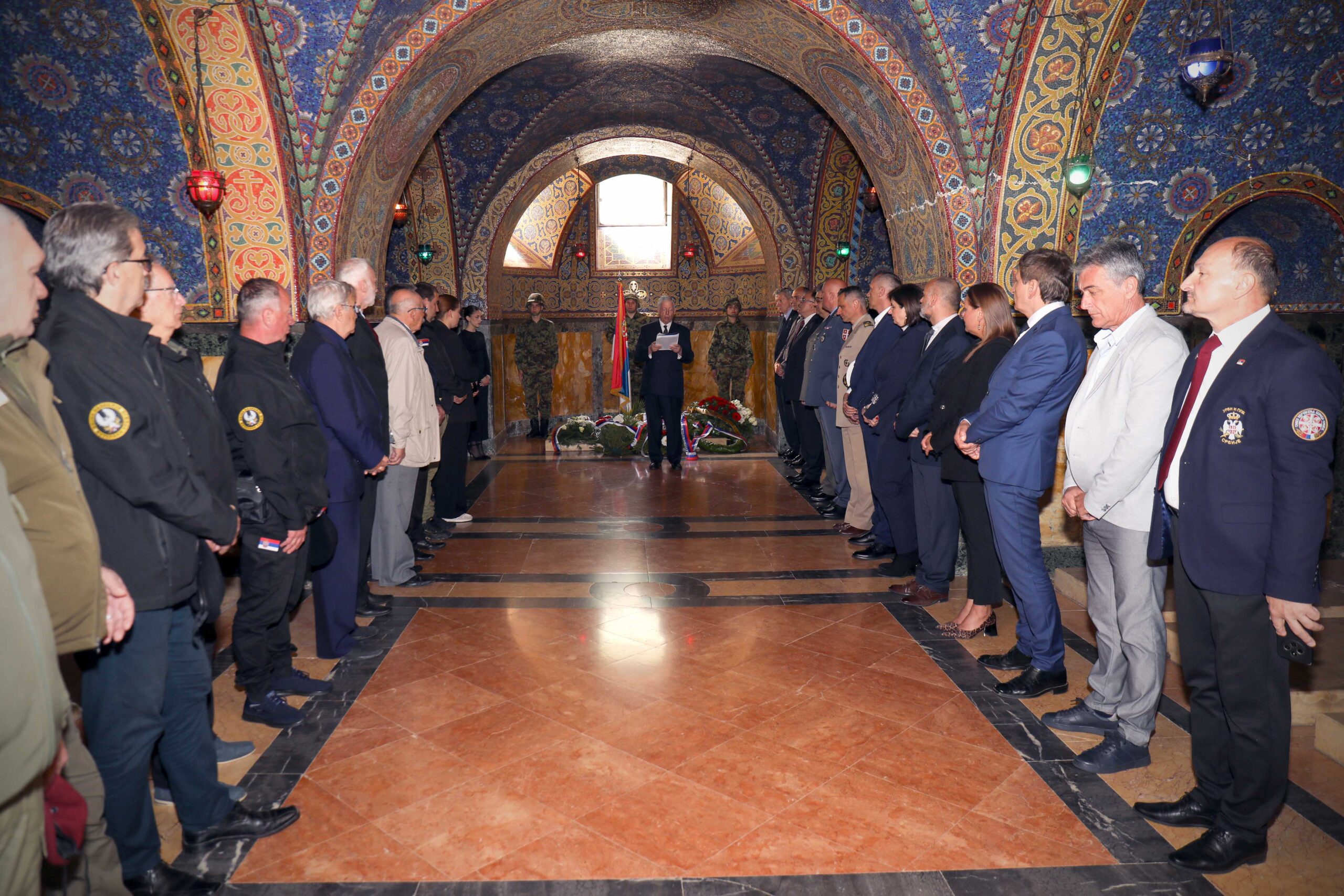
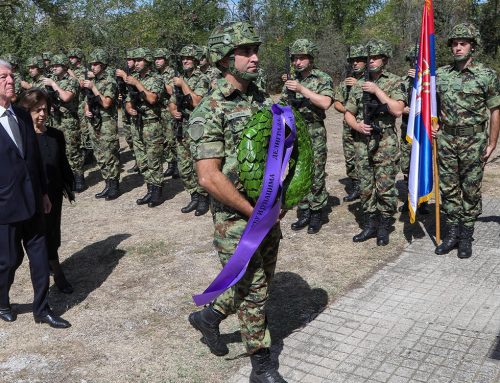
This year, for the first time, an official state ceremony of marking the death of Kardjordje’s son was held after the church service, the national anthem was played, and members of the army guarded the tomb of the late Prince, who was Head of State of the Principality of Serbia from 1842 to 1858.
The Holy Liturgy and memorial service in the Mausoleum of the Royal family of Serbia were officiated by priests from Oplenac parish. The Crown Prince, as the Head of the Royal family, laid a wreath on his ancestor’s tomb, paying respect to His late Serene Highness.
“My great-great-grandfather, Serbian Prince Alexander Karađorđević, son of the leader of the First Serbian Uprising and the Founder of our dynasty – Supreme Leader Karađorđe, ruled the country for almost 16 years, and his reign was marked by visible progress, especially in the establishment and strengthening of institutions, the passing of laws, the growth of economic activity and the development of education. Thanks to his efforts and achievements, we can say that he was the founder of civil Serbia.
Prince Alexander’s focus as the Head of State was on building a civil society and advancing the progress and modernization of the Principality of Serbia, then was still under Ottoman rule. His reign marked a turning point in our history, as it was the first in which a ruler consistently respected the Constitution. During this period, numerous reforms were initiated and many new institutions established, all with the goal of overcoming centuries of stagnation and bringing the country closer to the standards of a modern state. Preserving the memory of our nation’s statesmen and honoring their contributions remains of great importance to our culture of remembrance, and I am very happy and proud that for the first time ever, Prince Alexander is officially honoured by Serbia, the state which he led in a very specific period of our history”, said Crown Prince Alexander.
Аs part of the state ceremony of paying respect to the late Prince, wreaths were laid on his tomb by: the Royal family, Mr. Zoran Antic, State Secretary of the Ministry of Labour, Employment, Veterans and Social Affairs of the Government of Serbia, representatives of the Army of Serbia, Municipality of Topola, Mr. Dragan Reljic, Director of the Foundation of King Peter I in Oplenac, as well as associations and people who gathered to pay their respects.
The biography of HSH Prince Alexander:
His Serene Highness, Prince Alexander Karadjordjevic, the youngest son of Karadjordje and Jelena was born in Topola on 11 October 1806. He was educated in Hotin, Bessarabia (Russia), under the patronage of the Russian Tsar. In 1830, he married Persida, daughter of Vojvoda (Duke) Jevrem Nenadovic. They had ten children: four daughters Poleksija, Kleopatra, Jelena and Jelisaveta and six sons Aleksij, Svetozar, (both of them died as young children), George, Andrej, Peter and Arsen.
After the Ottoman Sultan’s decree acknowledging the title of Prince for Mihailo Obrenovic at the end of 1839, the Karadjordjevic family returned to Serbia. Once in Serbia, Alexander joined the Headquarters of the Serbian Army, and was promoted to the rank of Lieutenant and appointed as adjutant to Prince Mihailo.
After internal political conflicts in Serbia caused by popular disrespect for the so-called “Turkish constitution”, and Milos’s and then Mihailo Obrenovic’s abdications, the National Assembly in Vracar elected Alexander Karadjordjevic as the Prince of Serbia in September 1842. Having had his title acknowledged by Russia and Turkey, Prince Alexander started a number of reforms and founded a number of new institutions in order to improve the progress of the Serbian state. He implemented the code of civil rights, introduced the regular Army, built a canon foundry, improved the existing schools and founded new ones, and established the National Library and the National Museum.
During the Hungarian revolution against the Austrian government in 1848, Prince Alexander Karadjordjevic sent Serbian volunteers under the command of Stevan Knicanin to the Austrian province of the “Vojvodina of Serbia” to help the Serbs’ struggle for autonomy. As a follow-up of the national-political movement in 1848, a pan-Slavic idea of a Southern Slav “Yugo-Slav” Monarchy emerged with the “Nacertanije” (the “Draft”) document, written as a Serbian political program by Ilija Garasanin four years earlier; its objective was to liberate all Southern Slavs from Austrian and Turkish domination.
In internal policy, Prince Alexander came into conflict with the members of the Council, which culminated in the convocation of the National Assembly on St. Andrew’s day in December 1858, which forced him to abdicate.
After his abdication, Prince Alexander withdrew to his property near Timisoara (Romania). His peaceful life was agitated by the accusation of providing weapons and money for the conspiracy in Prince Mihailo’s assassination. He was deeply hurt by the verdict for a deed he never committed. Dynastic struggles became more severe and it was only then that Prince Alexander took part in them. He detested the thought of the hideous deed that was imputed to him by his opponents and fought with all his strength to bring another Karadjordjevic to the throne. Prince Alexander died in Timisoara 3 May 1885. He was buried in Vienna, and his remains were moved in 1912 to the Mausoleum of St. George built by King Peter I in Oplenac.